Knee Osteoarthritis: Causes, Symptoms, and How Care Actually Works
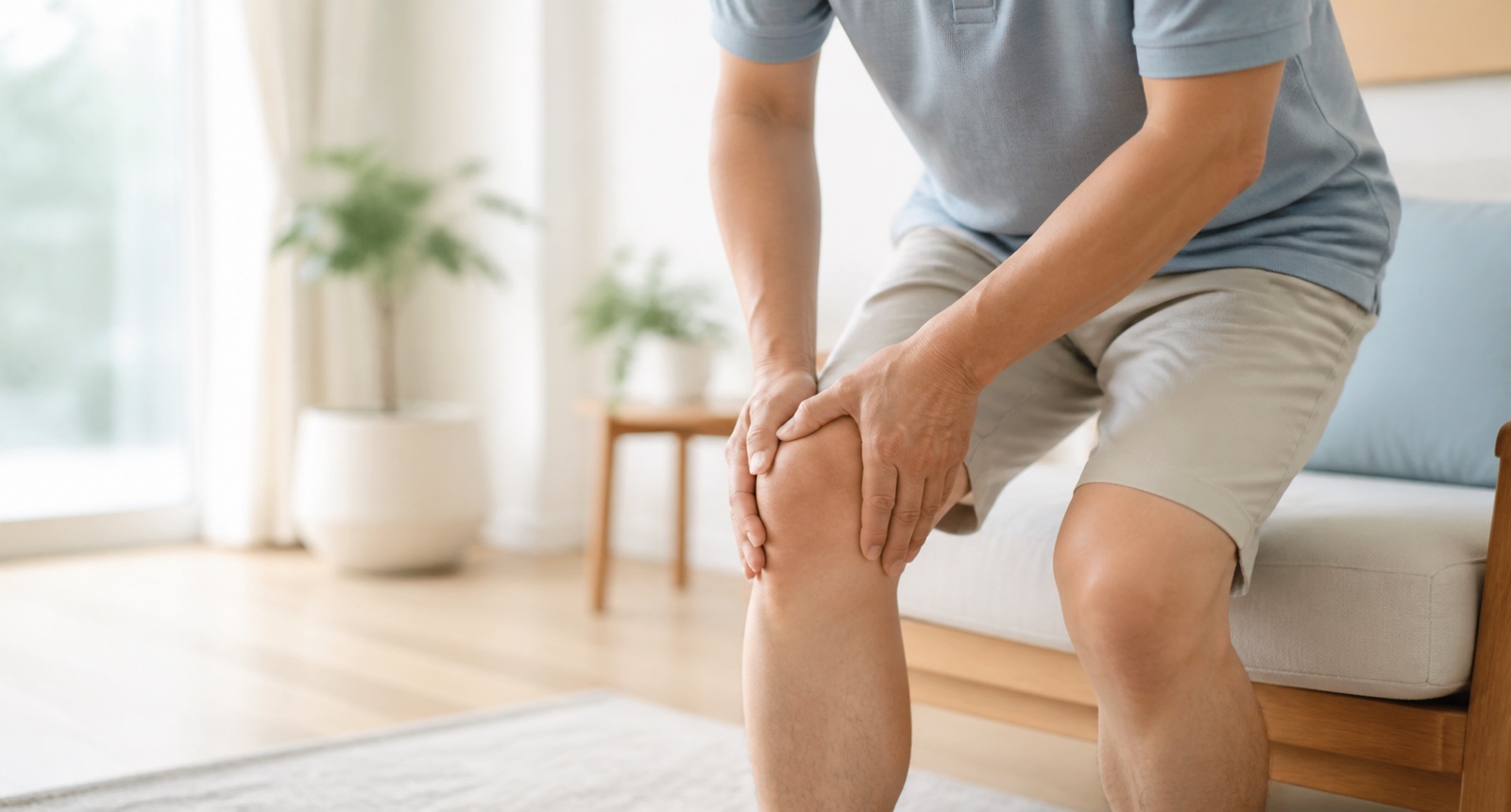
Knee osteoarthritis is one of the most common reasons people start to live around their pain — taking the lift instead of the stairs, declining a walk, sitting out a game. It develops gradually, which is exactly why understanding it early matters so much.
What is actually happening in the joint
Inside a healthy knee, smooth cartilage lets the bones glide with almost no friction. In osteoarthritis, that cartilage gradually thins and the joint produces less of the fluid that cushions movement. The result is stiffness, a deep ache, and sometimes a grinding sensation — the body protecting a joint that no longer moves as freely.
Crucially, pain levels do not always match what an X-ray shows. Many people with visible joint changes move comfortably, while others with milder changes feel more pain. This is good news: there is almost always room to improve how the knee feels and functions.
Early signs worth noticing
- Stiffness in the first minutes after waking or after sitting a long time
- A dull ache that builds with stairs, squatting, or long walks
- Mild swelling or warmth after activity
- A feeling that the knee is less steady or "tired" by evening
A simple rule
Pain that eases as you warm up and settles with rest is usually manageable. Pain that locks the joint, gives way, or wakes you at night deserves a professional assessment sooner rather than later.
How assessment-led care works
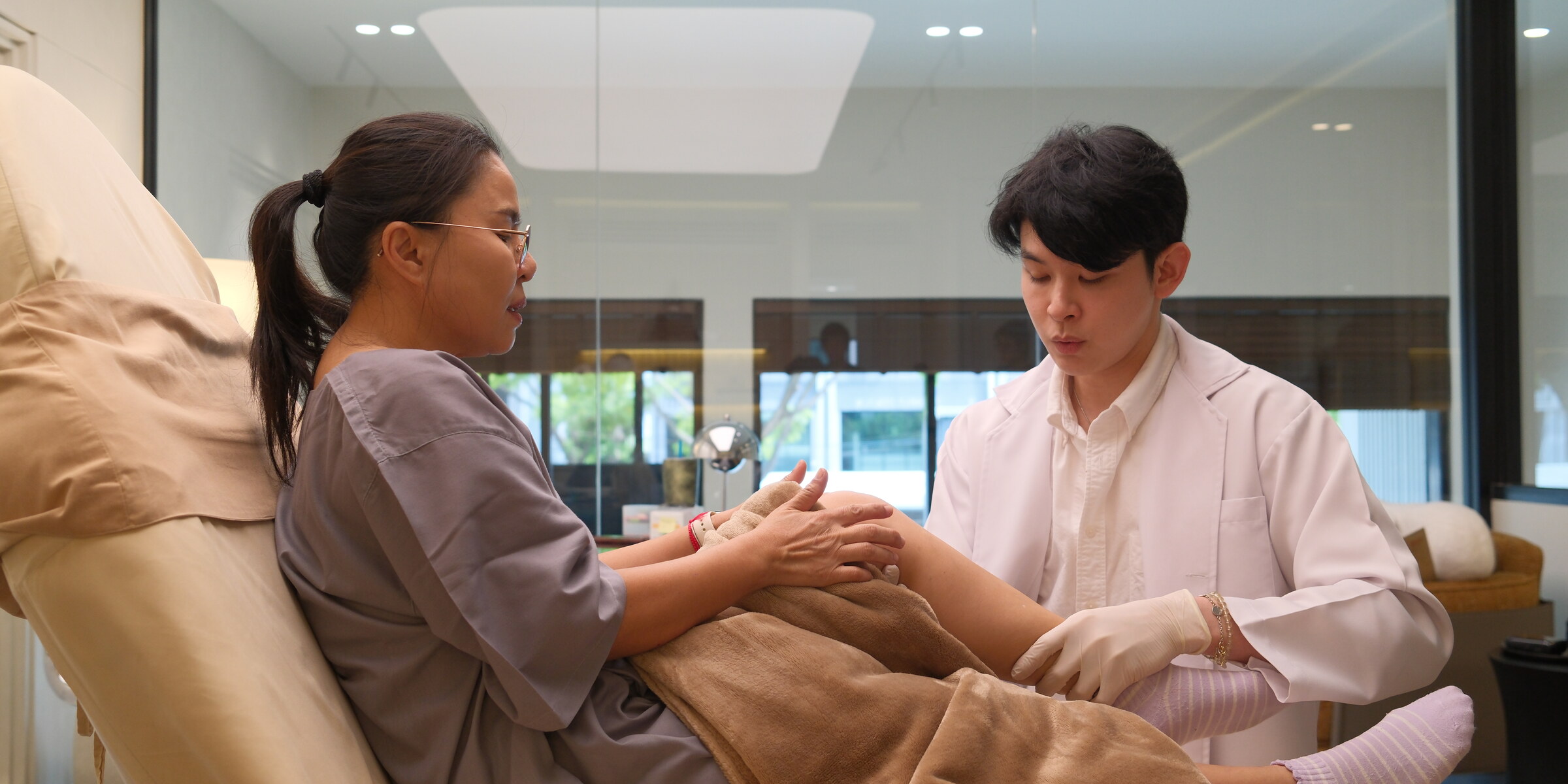
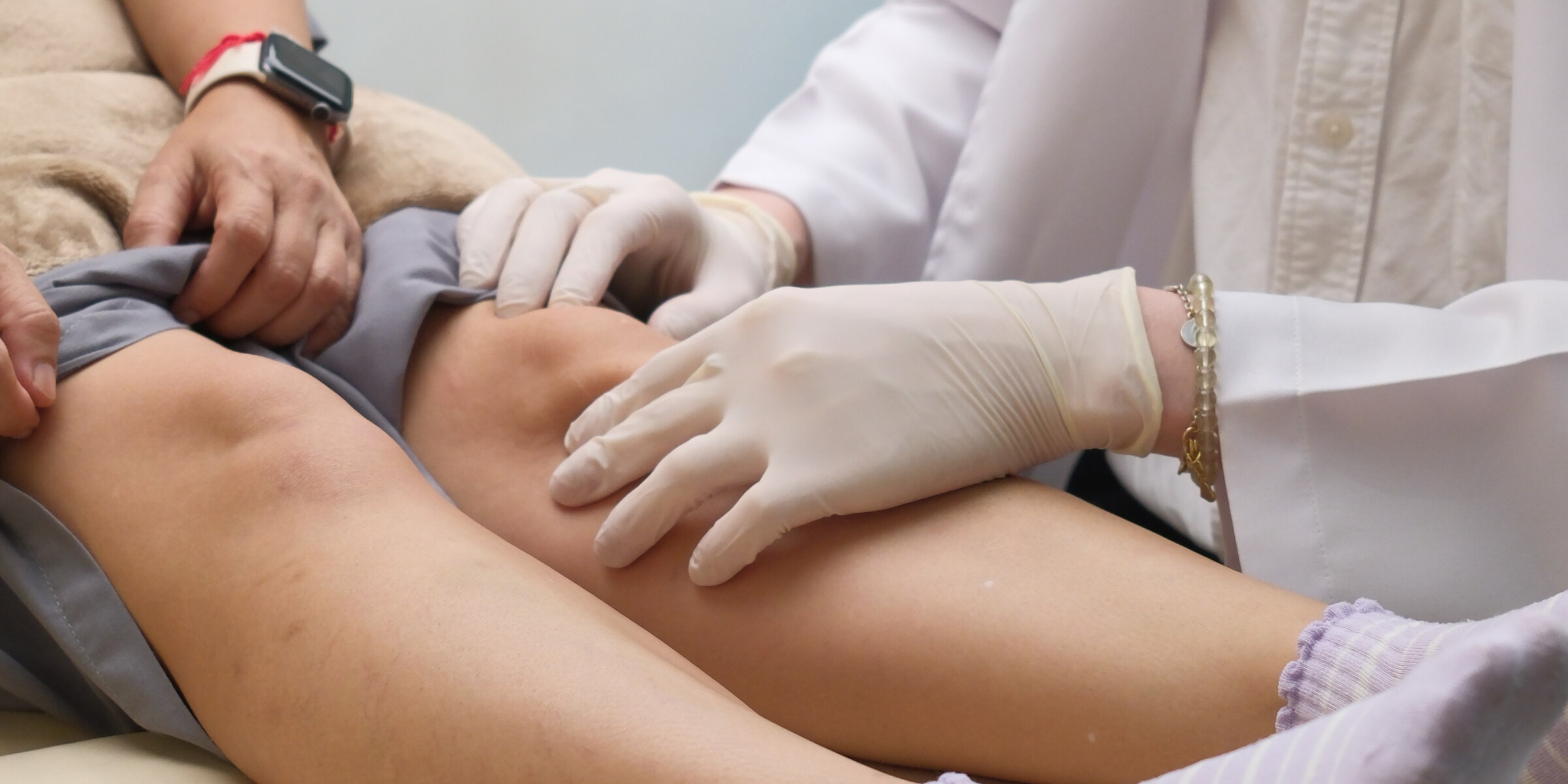
Good knee care does not start with a single treatment — it starts with understanding your knee. A specialist examines how the joint moves, where it is tender, how strong the surrounding muscles are, and how the knee behaves during the activities that matter to you. Imaging is used to confirm the picture, not to replace the conversation.
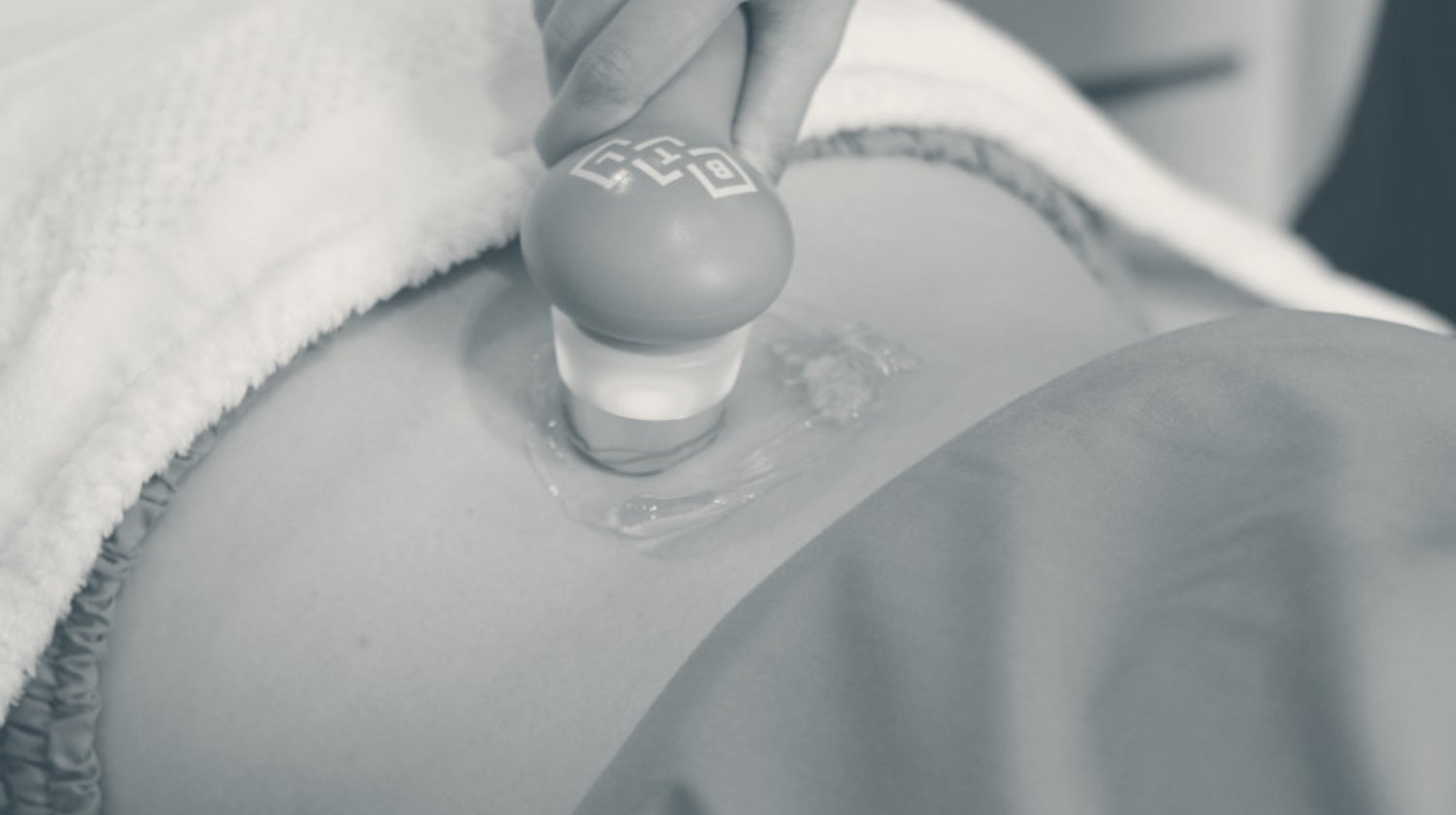
From there, a plan is built in layers: reducing the current flare, rebuilding strength and control, and protecting the joint for the long term. Options may include targeted physiotherapy, load and activity adjustments, and — where appropriate — precise treatments such as ultrasound-guided injection or focused shockwave. The approach is care selected based on assessment.
What you can do this week
Keep moving within comfort — gentle, regular movement nourishes the joint far better than rest. Favour low-impact activity such as cycling or pool walking, build thigh strength gradually, and keep an eye on load rather than chasing zero pain. Small, consistent steps usually beat dramatic ones.
Frequently asked questions
Does knee osteoarthritis mean I will need surgery?
No. Most people manage well for years with the right physiotherapy, strength work, load management, and — when needed — targeted treatments. Surgery is considered only when these are no longer enough.
Should I rest the knee or keep using it?
Keep using it within comfortable limits. Gentle, regular movement maintains cartilage health and muscle support; complete rest tends to make stiffness worse.
When should I see a specialist?
If pain limits daily activities, the knee locks or gives way, or symptoms last beyond a few weeks, an assessment helps you act early and avoid unnecessary worsening.
Talk to a Respire specialist
A clear assessment and a practical plan — for knee pain, sport injury, or office syndrome.