Why Does My Knee Hurt? The Most Common Causes — and What Each One Feels Like

The knee is a hard-working hinge that carries your weight, absorbs impact, and adapts to every step, squat, and stair. When it hurts, the cause is rarely mysterious — but it does need to be identified, because the right treatment for one cause can be the wrong one for another.
Osteoarthritis: the gradual ache
Typically a deep, dull ache with morning stiffness that eases as you move, worse with stairs and long activity. It builds over months or years rather than appearing overnight.
Overload and tendon pain: the activity-linked pain
Pain just below or around the kneecap that flares with running, jumping, or a sudden increase in training. It often feels sharp during the activity and tender to press afterwards. This is one of the most treatable patterns when load is managed early.
Ligament and meniscus injuries: the moment of injury
Often linked to a specific twist, awkward landing, or impact. There may be swelling, a sense of instability or "giving way," or catching and locking. These deserve prompt assessment, especially after sport.
Red flags — seek care promptly
Significant swelling, the knee locking or giving way, inability to bear weight, fever with a hot swollen joint, or pain after a clear injury all warrant a professional assessment rather than waiting it out.
Why a diagnosis beats guessing
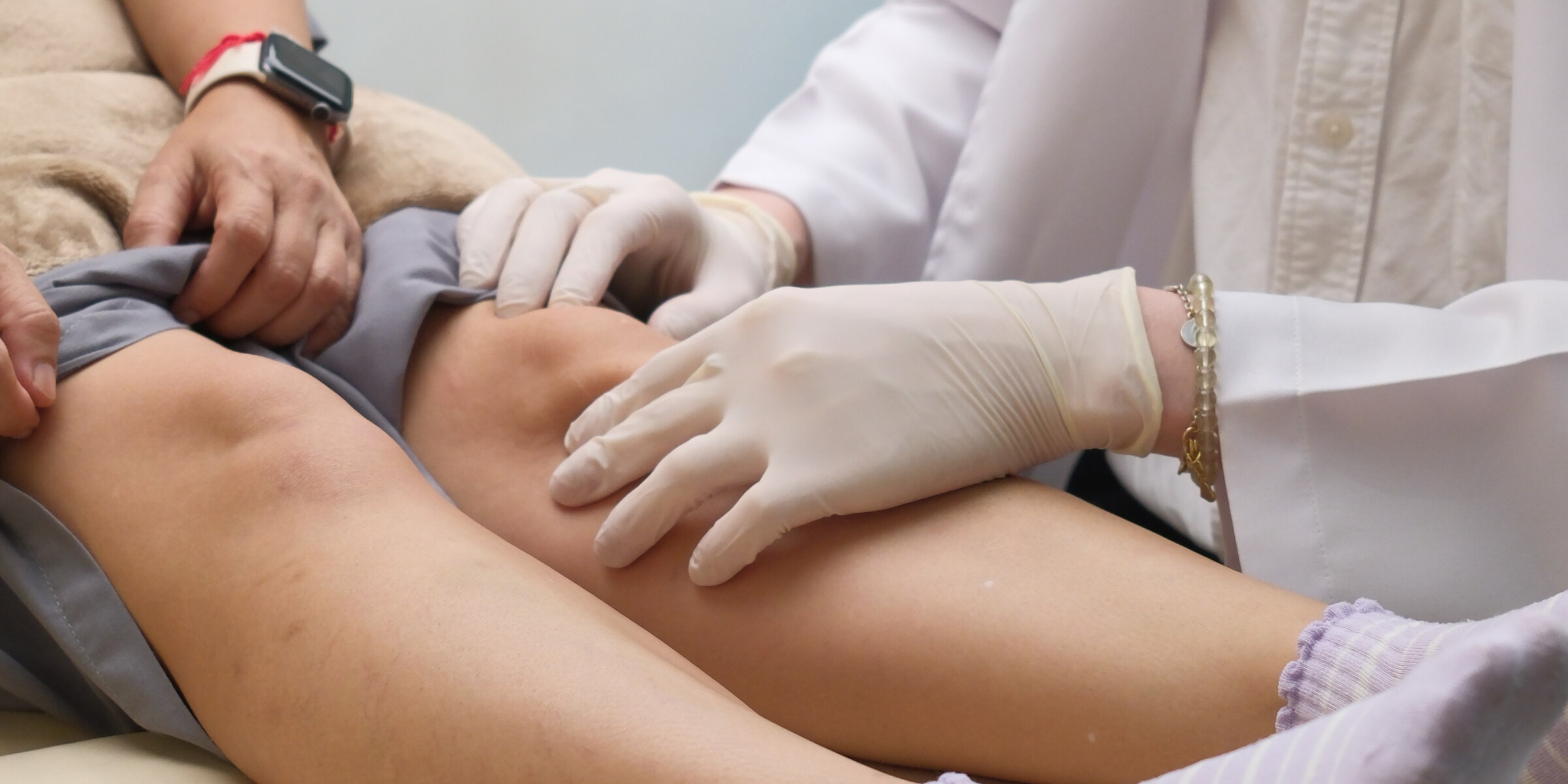
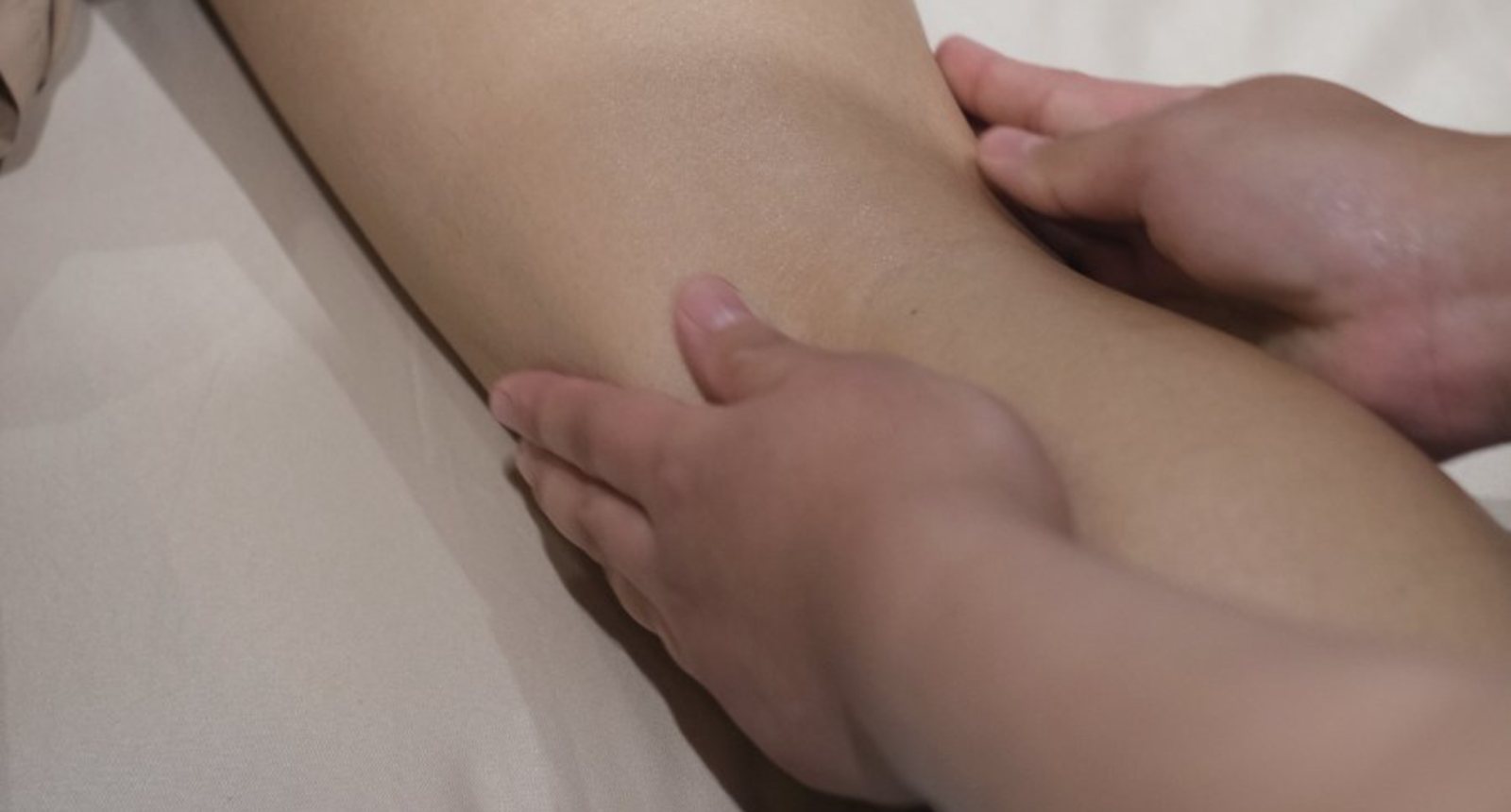
Resting a tendon overload, strengthening through an arthritic flare, or ignoring an unstable ligament can each slow recovery. A short assessment — history, hands-on examination, and imaging where needed — turns "my knee hurts" into a specific, treatable problem with a clear path forward.
Frequently asked questions
My knee pain comes and goes — should I still get it checked?
Intermittent pain is worth assessing if it keeps returning, limits activities, or has lasted more than a few weeks. Early clarity usually means simpler treatment.
Can knee pain go away on its own?
Mild, activity-linked pain often settles with sensible load management. But recurring or worsening pain signals an underlying cause that benefits from being addressed.
Do I need an X-ray or MRI?
Not always. Many causes are clear from history and examination. Imaging is used selectively to confirm a diagnosis or guide a specific treatment decision.
Talk to a Respire specialist
A clear assessment and a practical plan — for knee pain, sport injury, or office syndrome.