Neck, Shoulder, and Back Pain: Care for Factors Linked to Your Symptoms, Not Just the Knot
Almost everyone has felt it: the tight band across the shoulders, the stiff neck, the low-back ache that arrives after a long day. Relief is easy to find for an hour or two — but if the tension always returns, the knot is a symptom, not the source.
Why tension keeps coming back
Recurring neck and back pain usually traces back to a few drivers: long static loading, weakness in the deep muscles that support the spine, and movement patterns that overwork some areas while underusing others. Treat only the tight spot and the pattern producing it simply rebuilds the tension.
Posture is a range, not a rule
There is no single perfect posture to hold all day. The healthiest posture is the next one — variety keeps tissues happy. Rather than freezing into an "ideal" position, the goal is to move between good positions often, with enough strength to support them comfortably.
Move, strengthen, vary
Three principles cover most everyday neck and back pain: move regularly, strengthen the muscles that support your spine, and vary your positions. A therapist tailors these to your body and routine.
How assessment-led treatment helps
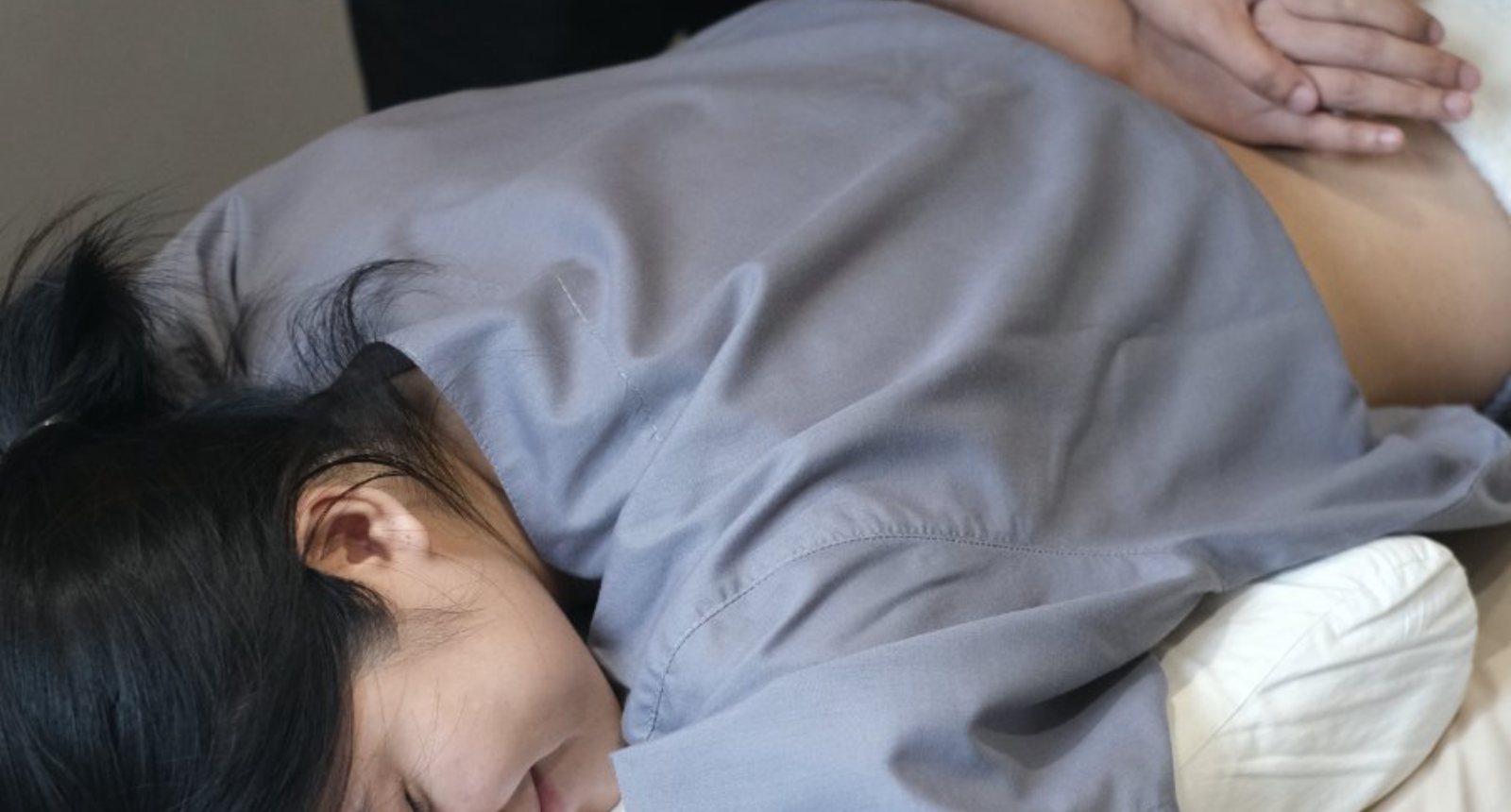
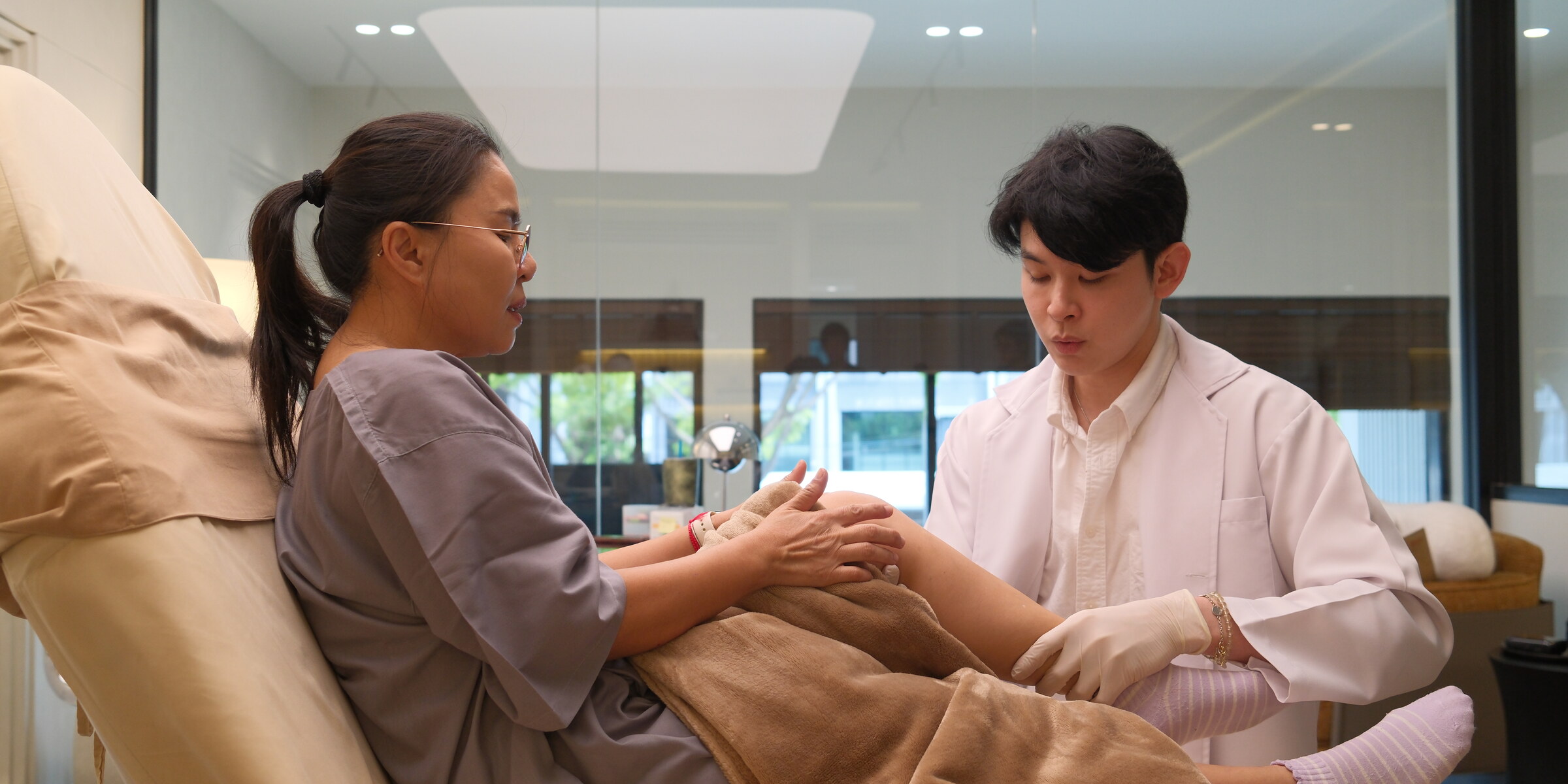
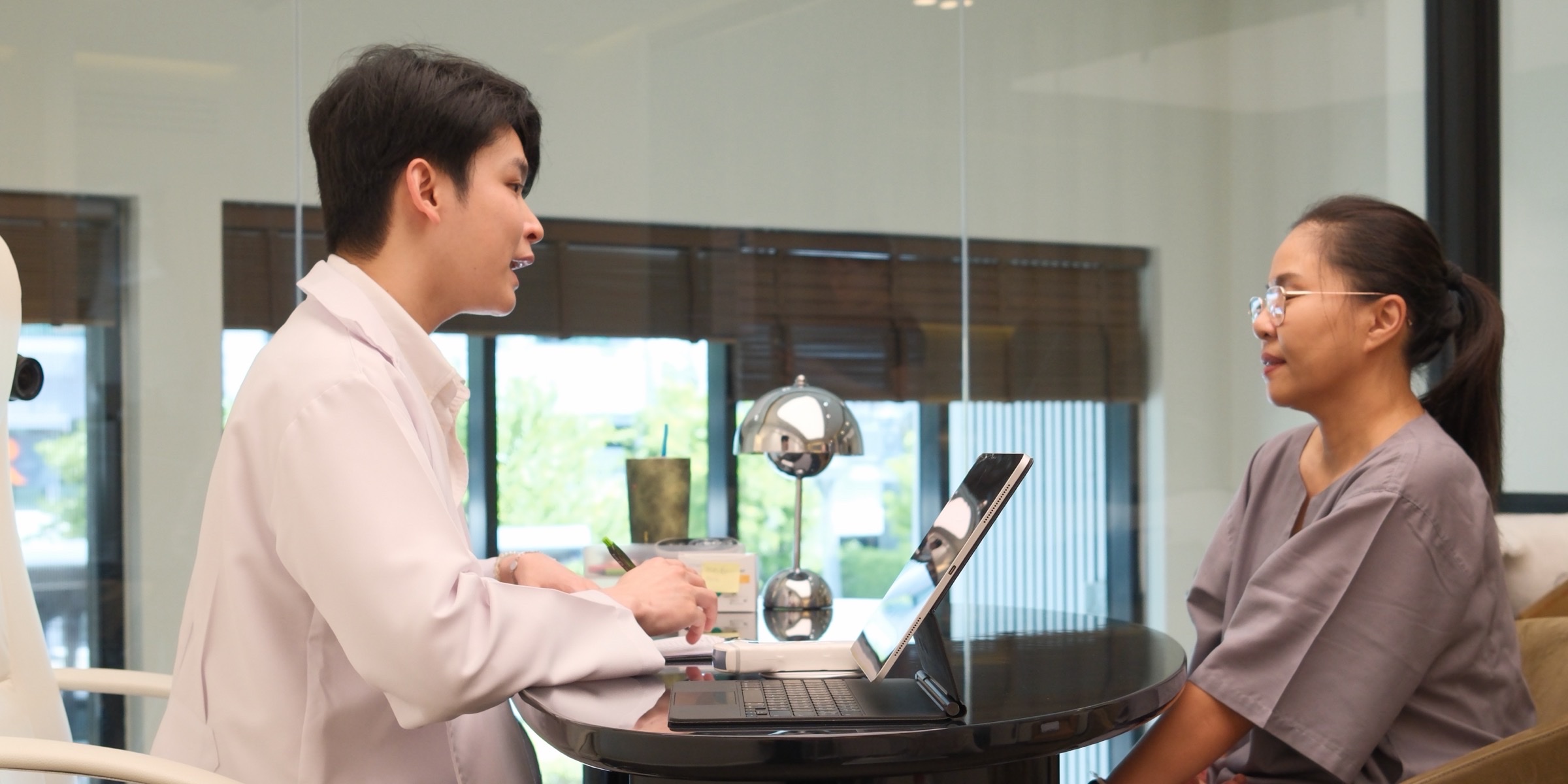
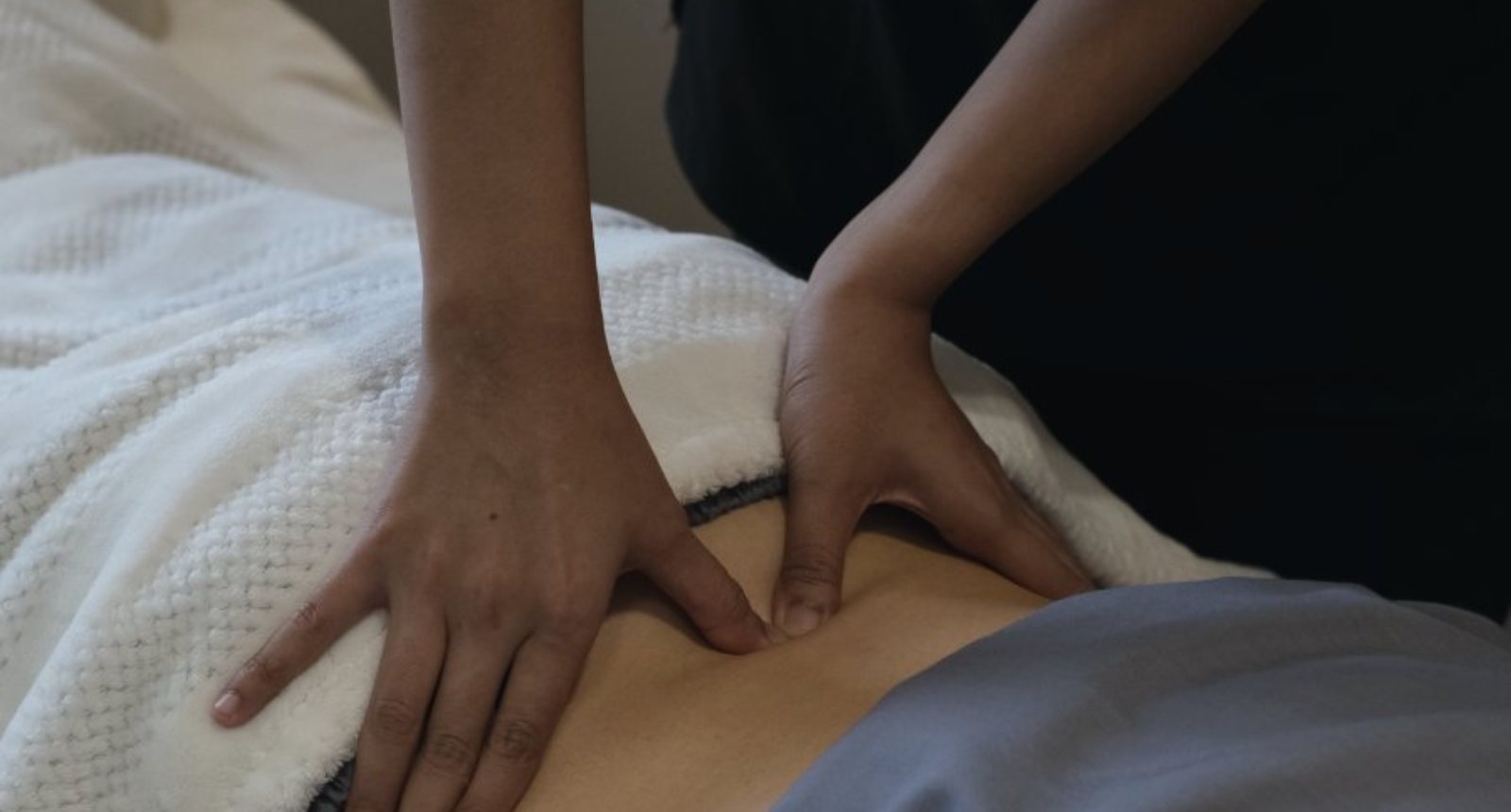
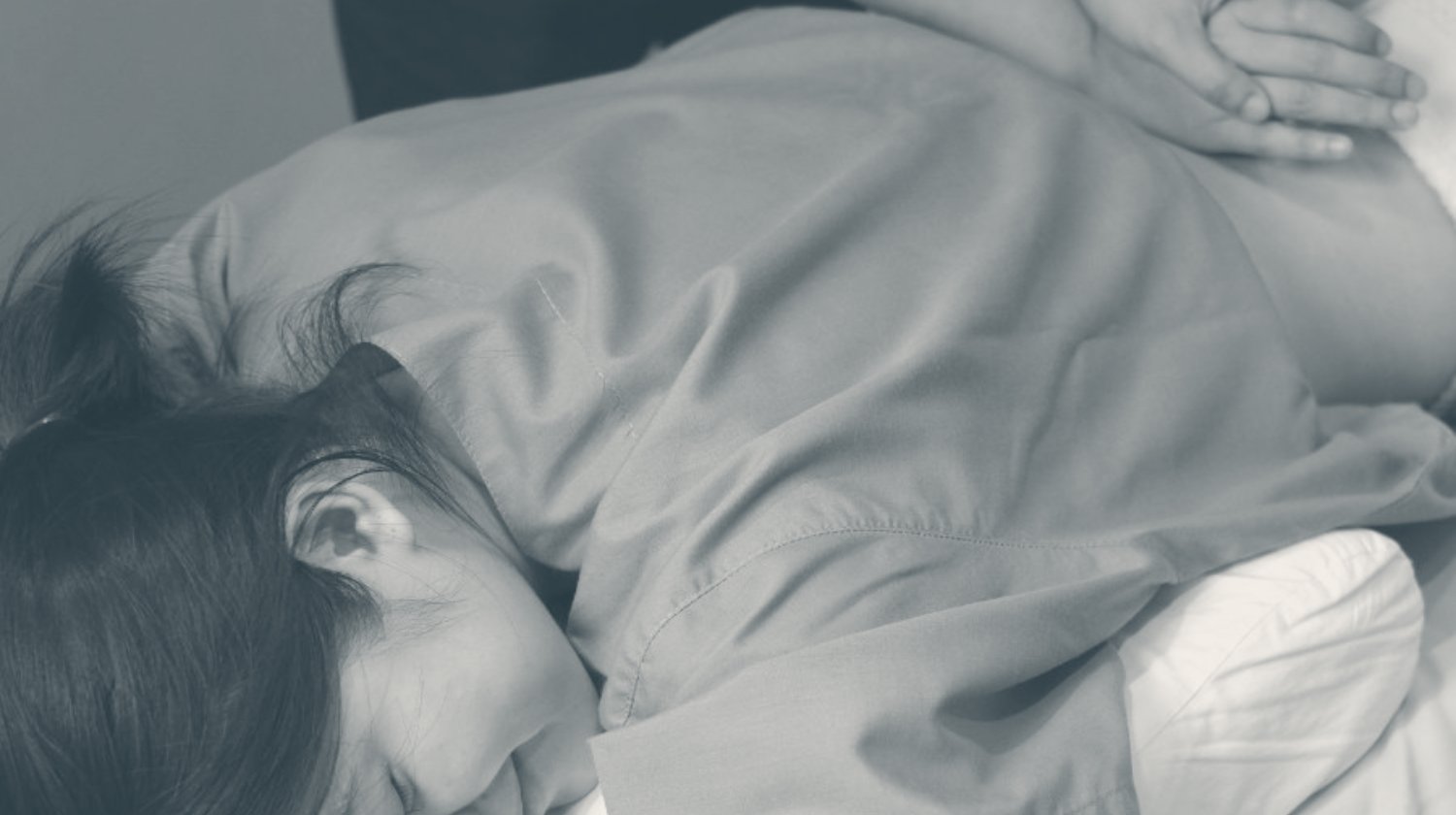
A physiotherapist looks at how your neck, shoulders, and back move together, identifies the weak links, and combines hands-on release with targeted strengthening. You leave not only feeling looser, but with a clear plan to reduce factors that trigger recurring symptoms.
Frequently asked questions
Is cracking my neck or back harmful?
Occasional self-cracking is usually harmless but only gives brief relief. If you feel the need to do it constantly, that is a sign the underlying tension should be assessed.
Should I use heat or ice?
For ongoing muscular tension, heat usually feels better and aids circulation. Ice suits a fresh, swollen injury. When unsure, comfort is a reasonable guide.
Can I prevent it from returning?
Largely, yes. Regular movement, postural strength, and varying your positions through the day dramatically reduce recurrence. A therapist can build this into a simple routine.
Talk to a Respire specialist
A clear assessment and a practical plan — for knee pain, sport injury, or office syndrome.