A Recovery Plan with Clear Goals
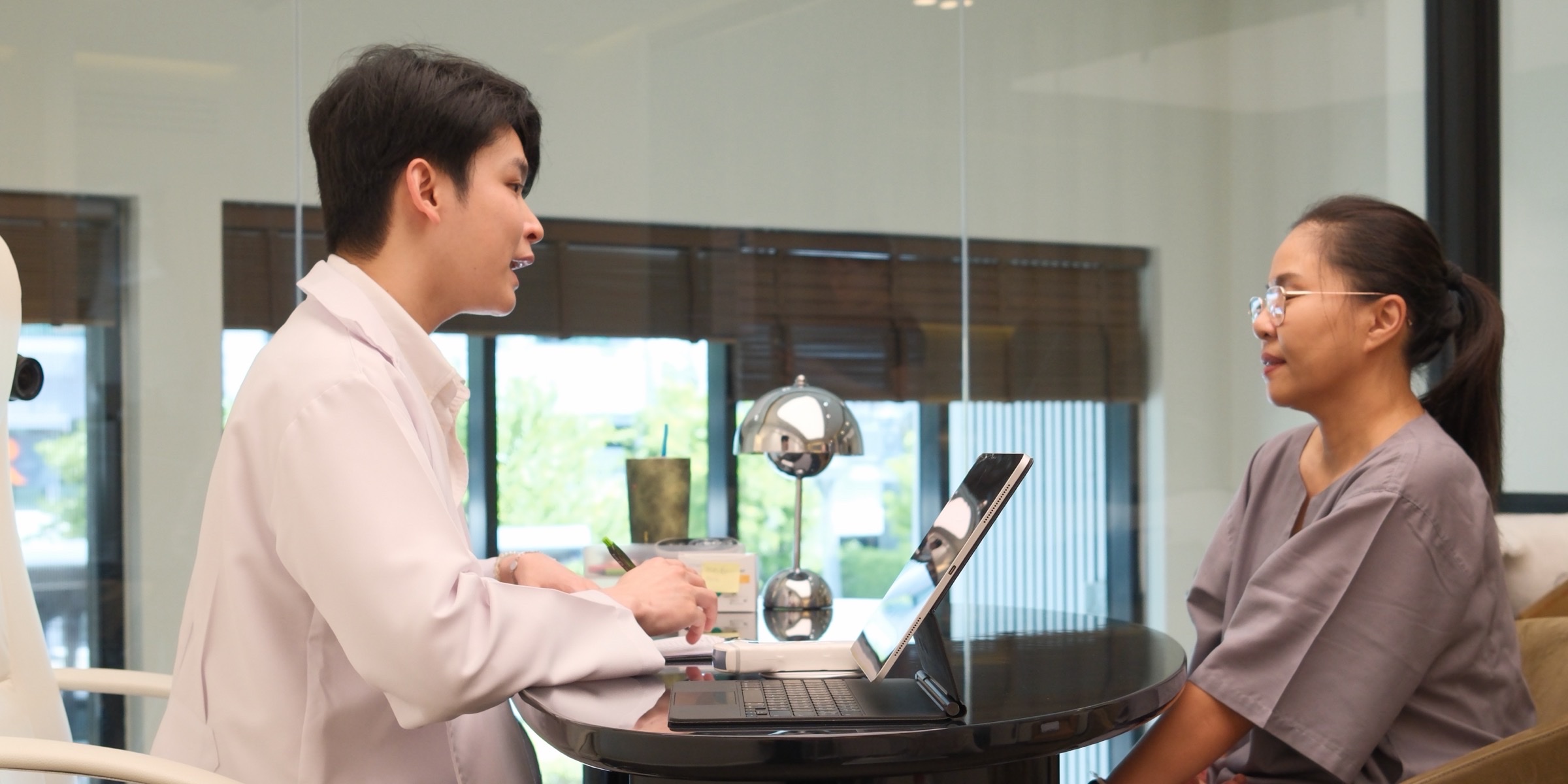
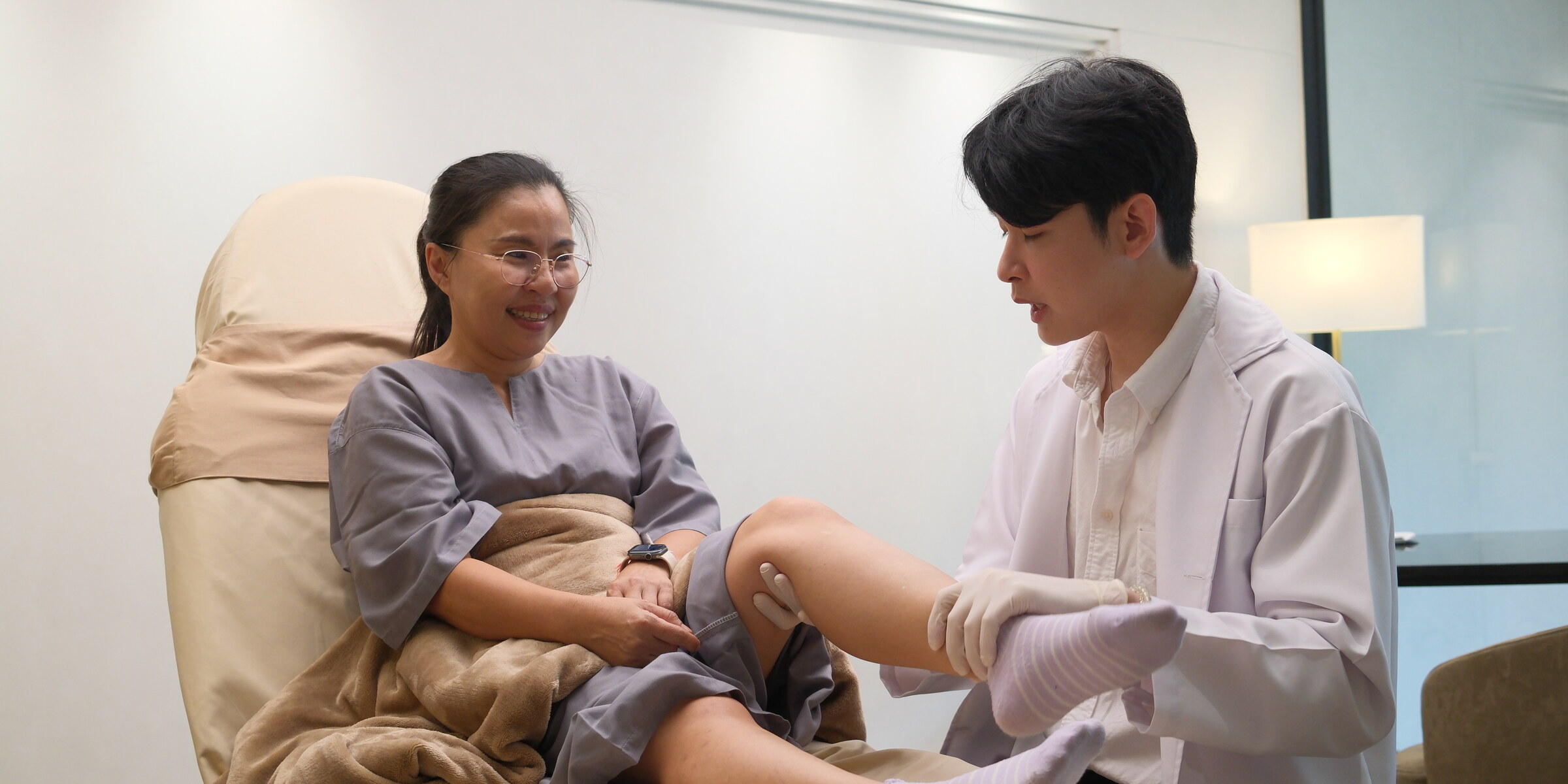
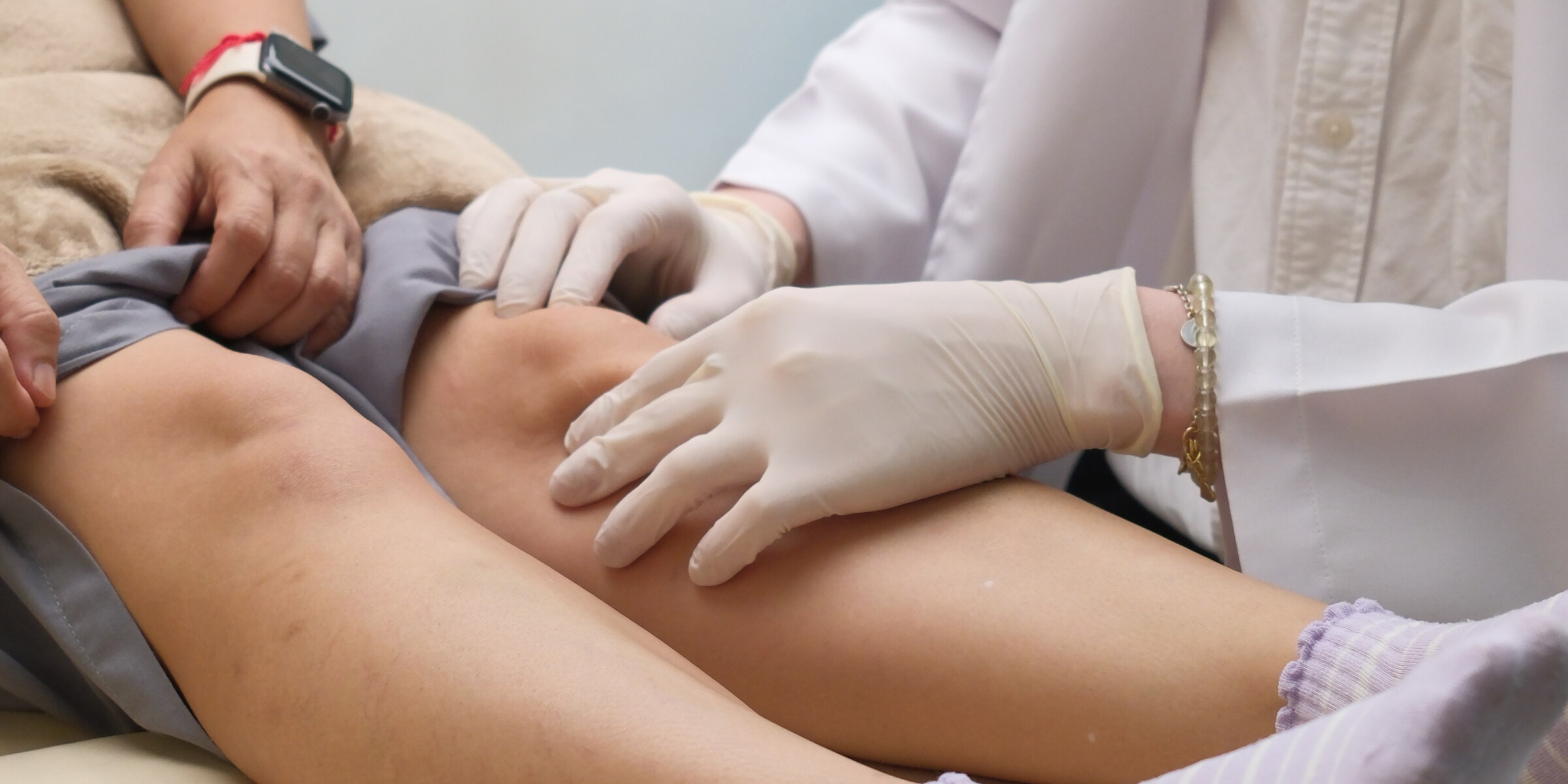
When you are in pain, it is tempting to chase treatments one at a time, hoping something works. But the people who recover most reliably tend to share one thing: a plan. Not a rigid script, but a clear sense of where they are, where they are going, and how they will know they have arrived.
The four stages of a clear plan
Most effective recovery pathways move through the same broad stages, each with its own purpose:
- Understand — assess the problem and agree on realistic goals
- Calm — reduce pain and inflammation so progress can begin
- Rebuild — restore movement, strength, and control step by step
- Return — re-enter daily life, work, and sport with confidence

Goals you can measure
Vague goals like "feel better" make it hard to know if you are progressing. Clear ones — climb a flight of stairs without pain, return to a 5km run, sit through a workday comfortably — give every session a purpose and let you see momentum. Measurable goals also tell you, honestly, when you are ready for the next stage.
Progress is rarely a straight line
Good recovery includes small ups and downs. A flare is not failure — within a clear plan, it is simply information that guides the next adjustment.
Why structure brings calm
Much of the stress of being injured comes from uncertainty. A structured plan replaces that uncertainty with clarity: you know what today’s step is for, what comes next, and what to do if something flares. That calm is not a side effect — it is part of what helps you recover.
Frequently asked questions
How long does recovery usually take?
It varies widely by condition and goals. A clear plan sets realistic timeframes for each stage so you always know roughly where you are in the journey.
What if I do not see progress?
A good plan is reviewed regularly. If progress stalls, the assessment is revisited and the approach adjusted — stalling is a signal to adapt, not to give up.
Do I need a plan for a minor problem?
Even simple issues recover step by step with a little structure. For minor problems the plan may be short, but knowing the goal and the steps still helps.
Talk to a Respire specialist
A clear assessment and a practical plan — for knee pain, sport injury, or office syndrome.