Ultrasound-Guided Injection: The Complete Guide to Precise, Targeted Relief
An injection is one of the most direct ways to calm a painful joint or tendon — but only if the medicine reaches the exact spot that needs it. Ultrasound-guided injection makes that precision possible by letting the clinician see the needle and the target live on screen, rather than relying on surface landmarks alone. This guide explains what the procedure is, what it treats, and how to think about it as one focused step inside a wider recovery plan.
What is an ultrasound-guided injection?
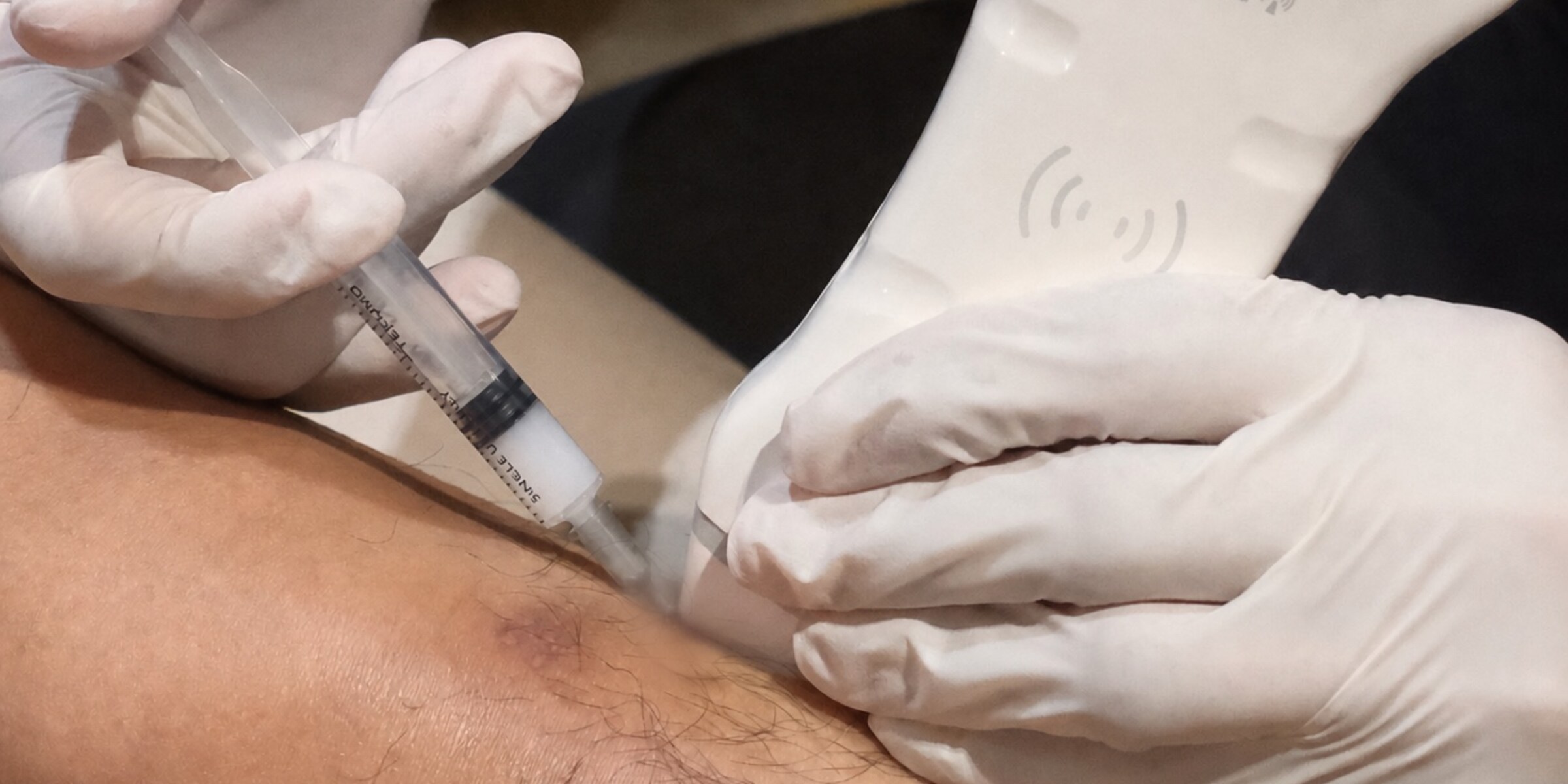
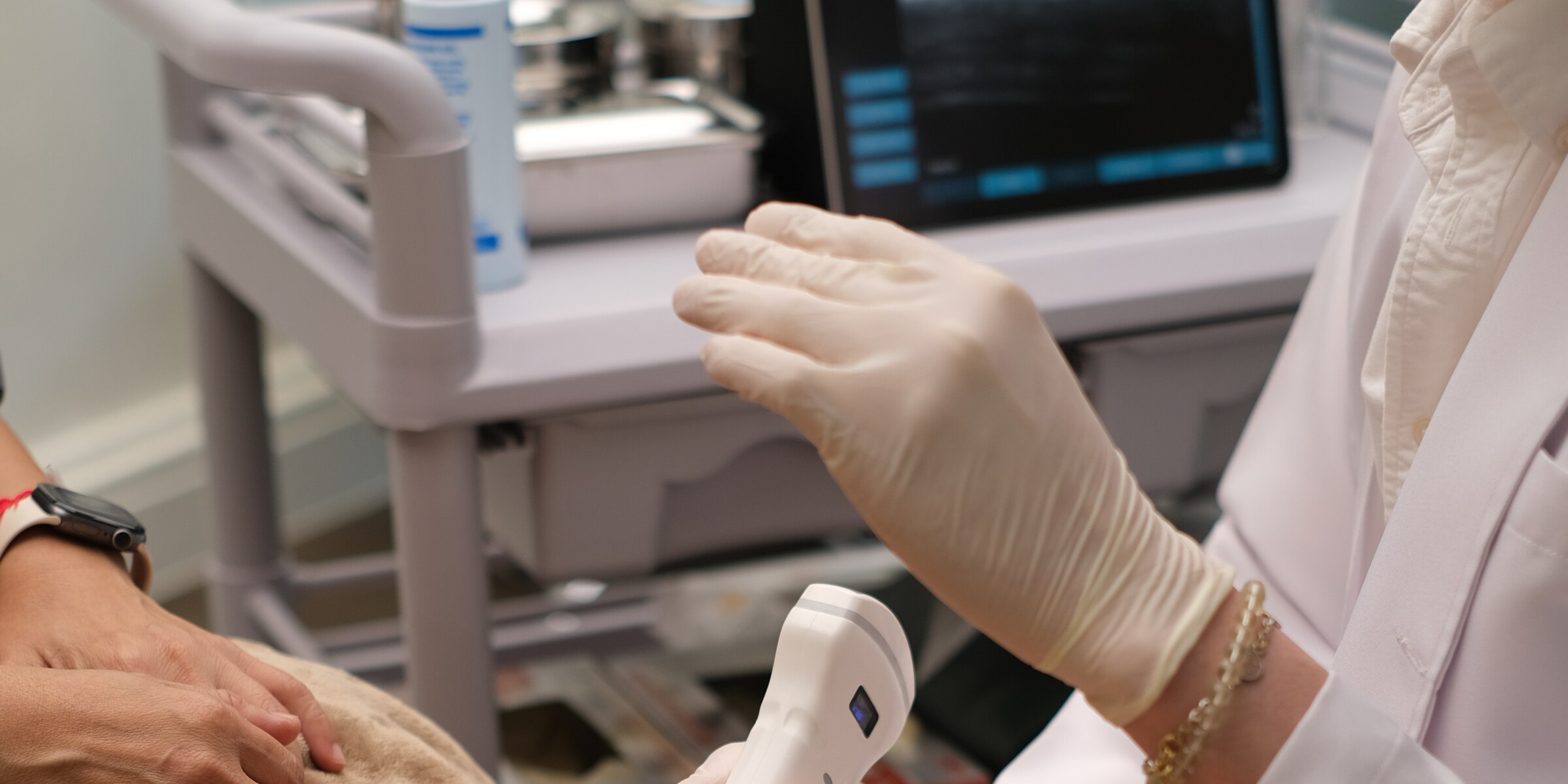
It is a precise injection performed while a clinician watches a live ultrasound image. The probe sends harmless sound waves into the tissue and builds a real-time picture of the joint, tendon, muscle, and the fluid around them. With that picture, the needle can be guided to the precise space — into a joint, alongside an irritated tendon, or into a specific pocket of inflammation — and the medicine is delivered exactly where it is meant to go.
Imaging, not guesswork
A traditional "blind" injection relies on feel and experience. Ultrasound guidance replaces that estimate with a live view — so accuracy no longer depends on luck.
What conditions can it treat?
Ultrasound guidance is useful wherever accuracy matters and structures sit close together. At Respire it most commonly supports:
- Knee osteoarthritis — calming a painful, stiff, or swollen joint
- Tendon problems — shoulder, elbow, hip, or around the kneecap
- Soft-tissue and bursa inflammation from overload or sport
- Targeted relief that creates a window for rehabilitation
The medicine used depends on the diagnosis — your clinician will explain the specific choice and the realistic effect for your condition.
How the procedure works, step by step
Assess the target
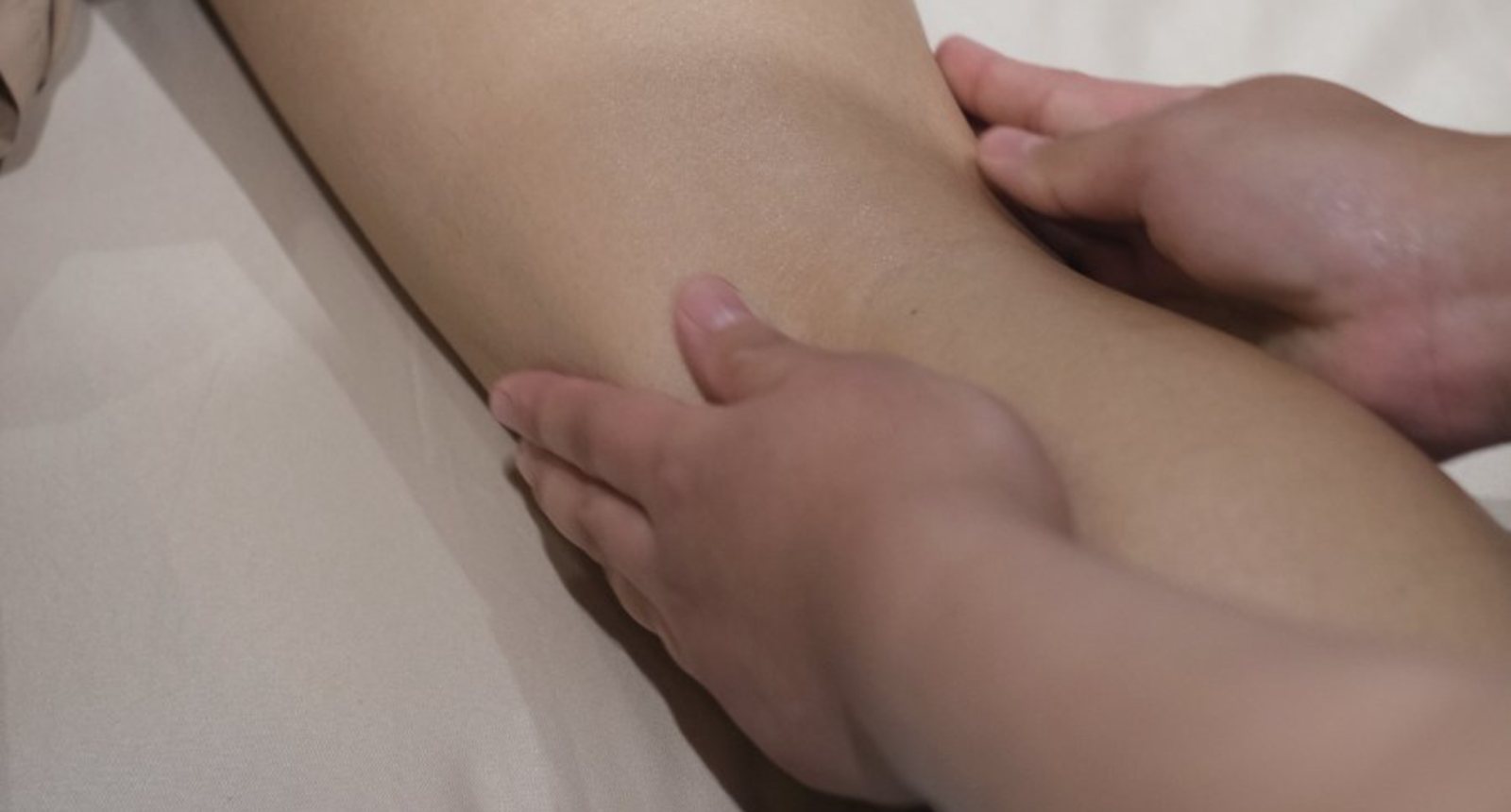
A short hands-on examination confirms what is causing the pain and exactly where the medicine needs to go.
Scan the joint live
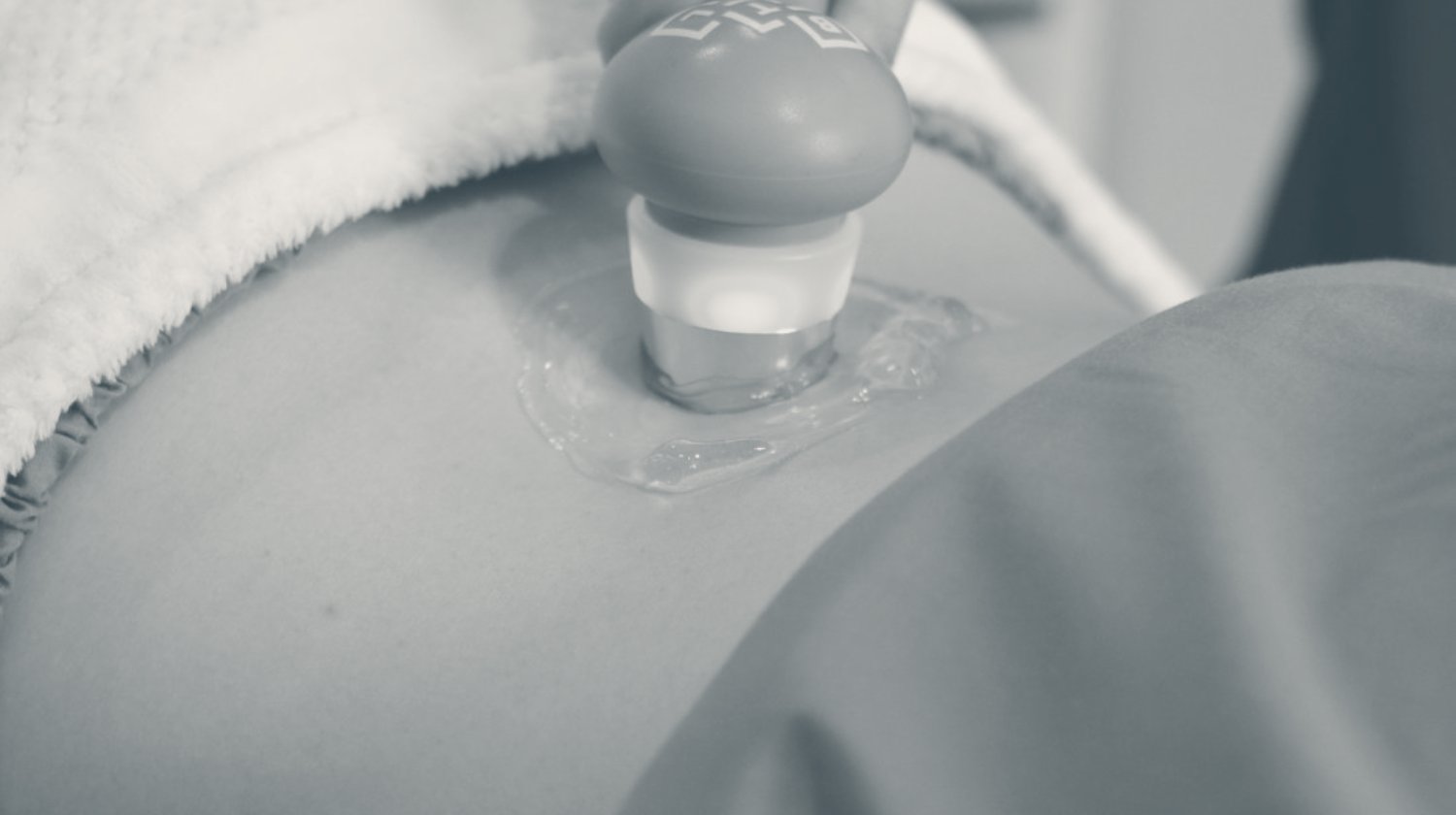
A cool gel is applied and the ultrasound probe builds a real-time picture of the joint, tissue, and fluid on screen.
Guide the needle
Watching the screen, the clinician advances the needle along a precise path to the exact target.
Confirm and deliver
With the tip in the right place, the medicine is delivered and seen spreading exactly where intended.
Recover and rehab
Most people resume light activity the same day, then use the comfortable window to rebuild strength and movement.
Why precision changes the result
When the needle reaches the exact target, more of the dose acts where it is needed, relief becomes more predictable, and delicate nearby structures — nerves and vessels — are avoided. The same medicine simply works harder and more safely. This is the single biggest reason ultrasound guidance has become a standard for joint and tendon injections.
Accuracy
The dose reaches the exact target instead of nearby tissue.
Reliability
Relief becomes more predictable from one visit to the next.
Comfort
Less repeated probing to find the spot makes it gentler.
Safety
Nerves and vessels are seen on screen and avoided.
Is it safe — and does it hurt?
Ultrasound itself uses sound waves, not radiation, so the imaging is completely safe and can be repeated freely. Because placement is precise, repeated probing with the needle is usually avoided, which tends to make the procedure more comfortable than a blind injection. Most people feel only brief pressure and a short sting, and walk out to resume light daily activity the same day.
It is one step — not the whole plan
An injection can settle a flare and open a comfortable window. That window matters most when it is used — to rebuild strength, restore movement, and correct the load that irritated the joint in the first place. This is why an injection at Respire always follows an assessment and sits inside a clear recovery pathway, so a moment of relief becomes lasting progress.
Where to go next
Want the practical details? Read what to expect before, during, and after the procedure. Wondering why guidance is worth it? See how ultrasound-guided compares with a blind injection. And for the knee specifically, our dedicated guide goes deeper on osteoarthritis relief.
Frequently asked questions
Is ultrasound-guided injection better than a normal injection?
For most joint and tendon targets, yes — guidance improves accuracy, which makes relief more reliable and avoids sensitive structures. Your clinician will confirm whether it is the right approach for your condition.
How long does the procedure take?
The injection itself usually takes only a few minutes after a short assessment and skin preparation. Most of the visit is the conversation around it.
How many injections will I need?
It varies by condition and the medicine used. Many people need only one within a structured plan; your clinician will explain the expected course and how rehabilitation reduces the need to repeat.
Talk to a Respire specialist
A clear assessment and a practical plan — for knee pain, sport injury, or office syndrome.